The world’s most used, studied, and proven wearable cardioverter defibrillator (WCD).2,3

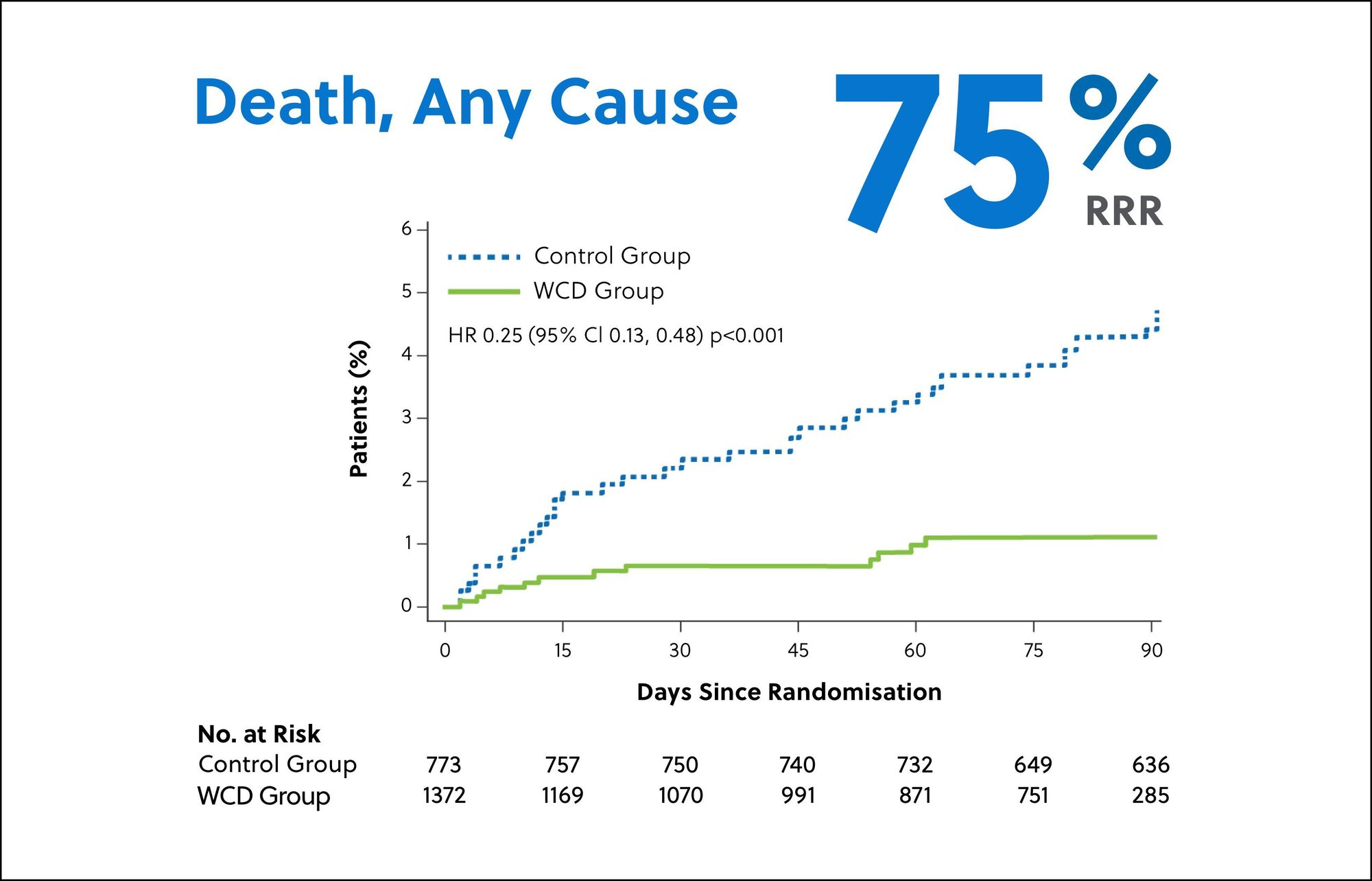
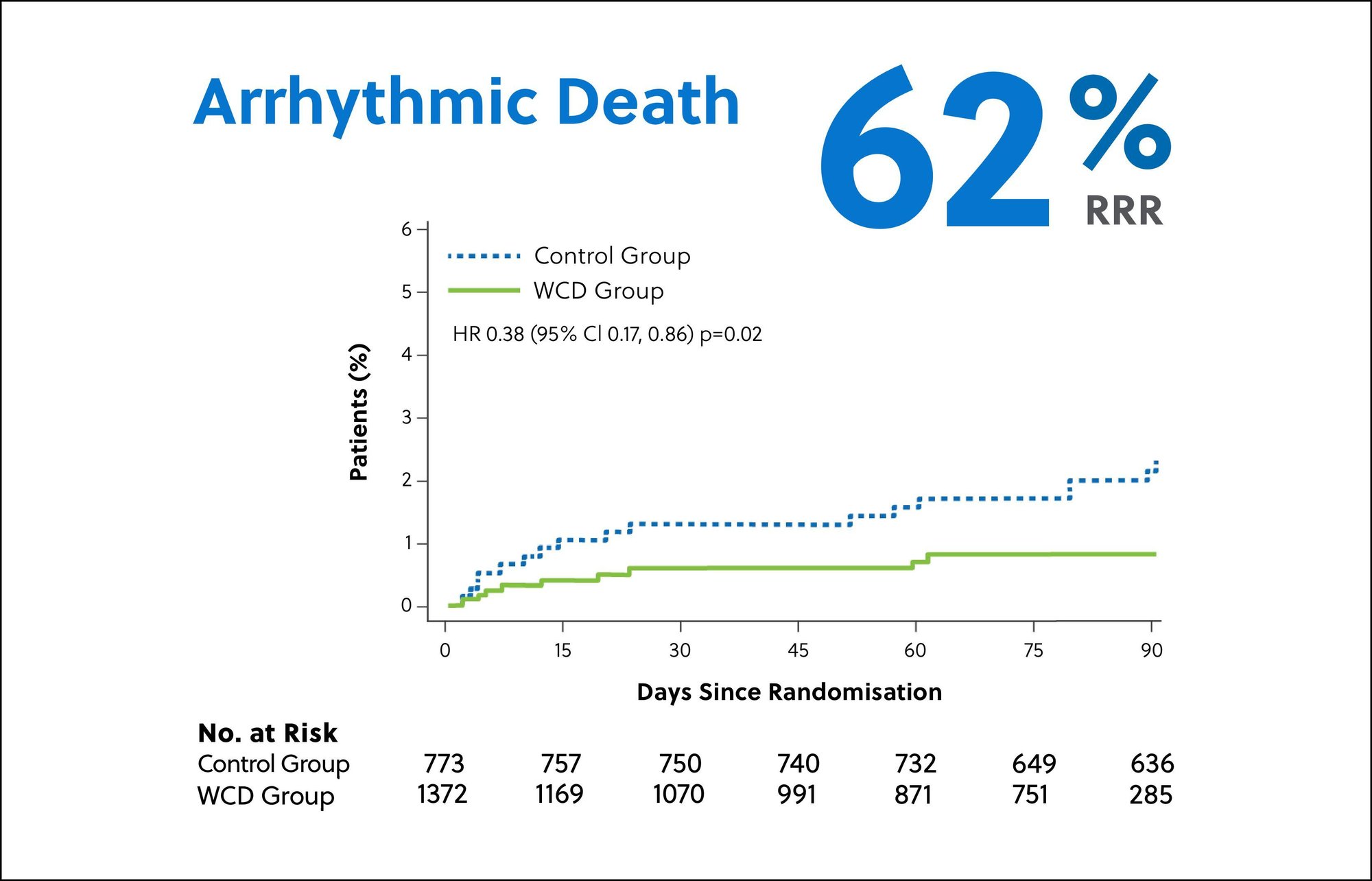
As seen in the 2020 VEST per-protocol analysis, patients that wore LifeVest® realised significant mortality reductions in the first 90 days after a cardiac event.4
EXPLORE LIFEVEST OUTCOMES

The LifeVest wearable cardioverter defibrillator (WCD) protects patients at risk of sudden cardiac death (SCD), when a patient’s condition is changing and permanent SCD risk has not been established.
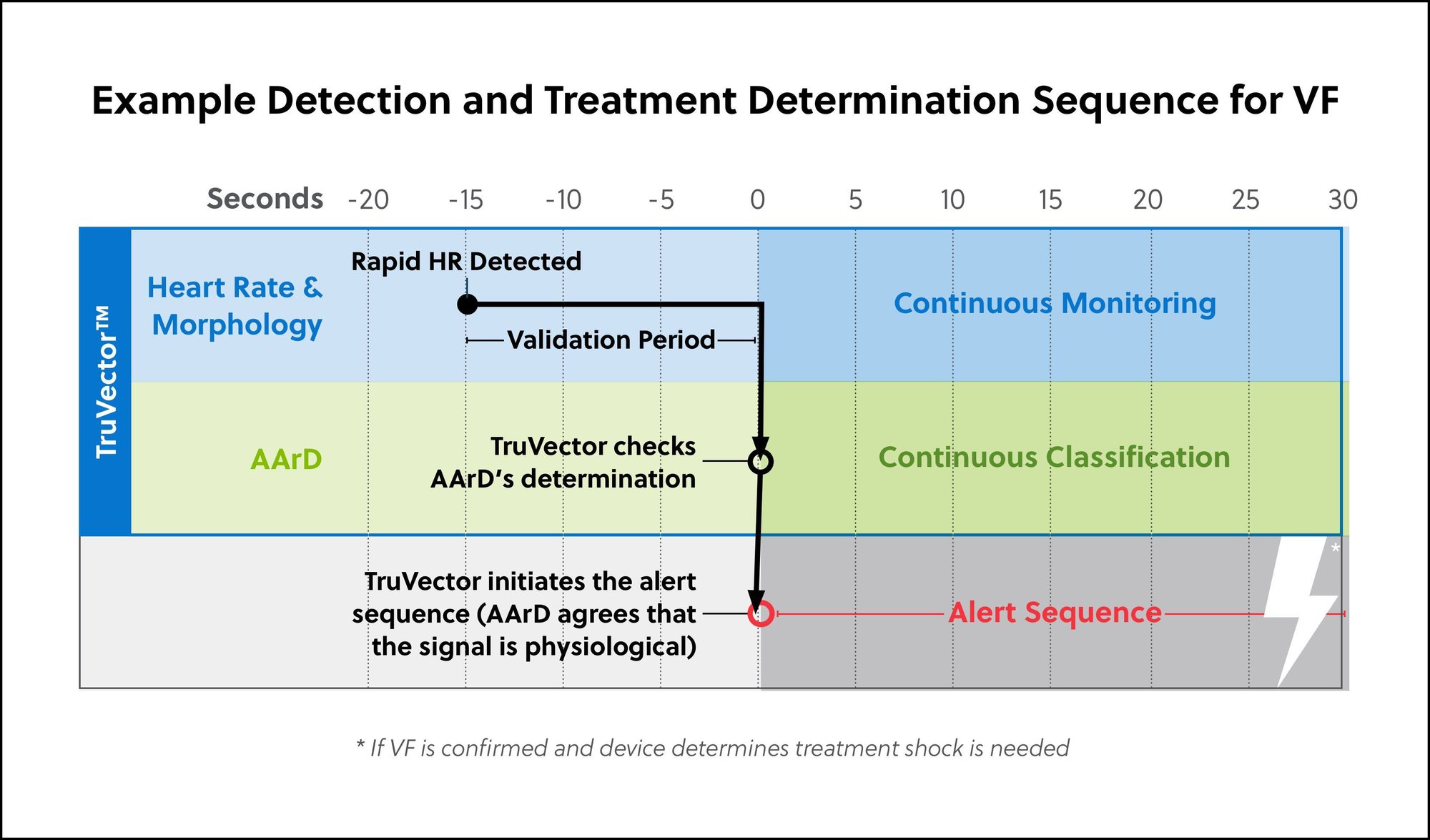
LifeVest is designed to detect VT/VF and, if needed, automatically deliver a treatment shock to restore normal heart rhythm.
The LifeVest TruVector™ detection algorithm uses AI-enhanced Advanced Arrhythmia Detection (AArD) technology to quickly and accurately detect VT/VF (at a default VT threshold of 150 bpm).
In a typical situation, the entire event, from detection to treatment, occurs in about one minute.

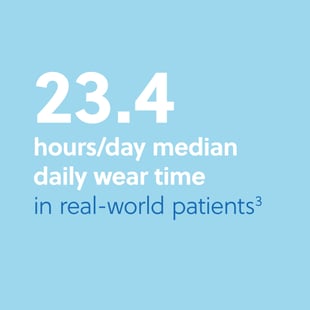
Continuous optimisation of the LifeVest design has led to a median real-world Wear Time® of 23.4 hours/day.6
Patients rate the newest LifeVest garment as even more comfortable, compared to the previous version.8
Guidelines from the European Society of Cardiology (ESC) and American Heart Association (AHA)/American College of Cardiology (ACC)/Heart Rhythm Society (HRS) include recommended use of the wearable cardioverter defibrillator (WCD) for a wide range of patients at risk for SCD, including ischaemic and non-ischaemic.
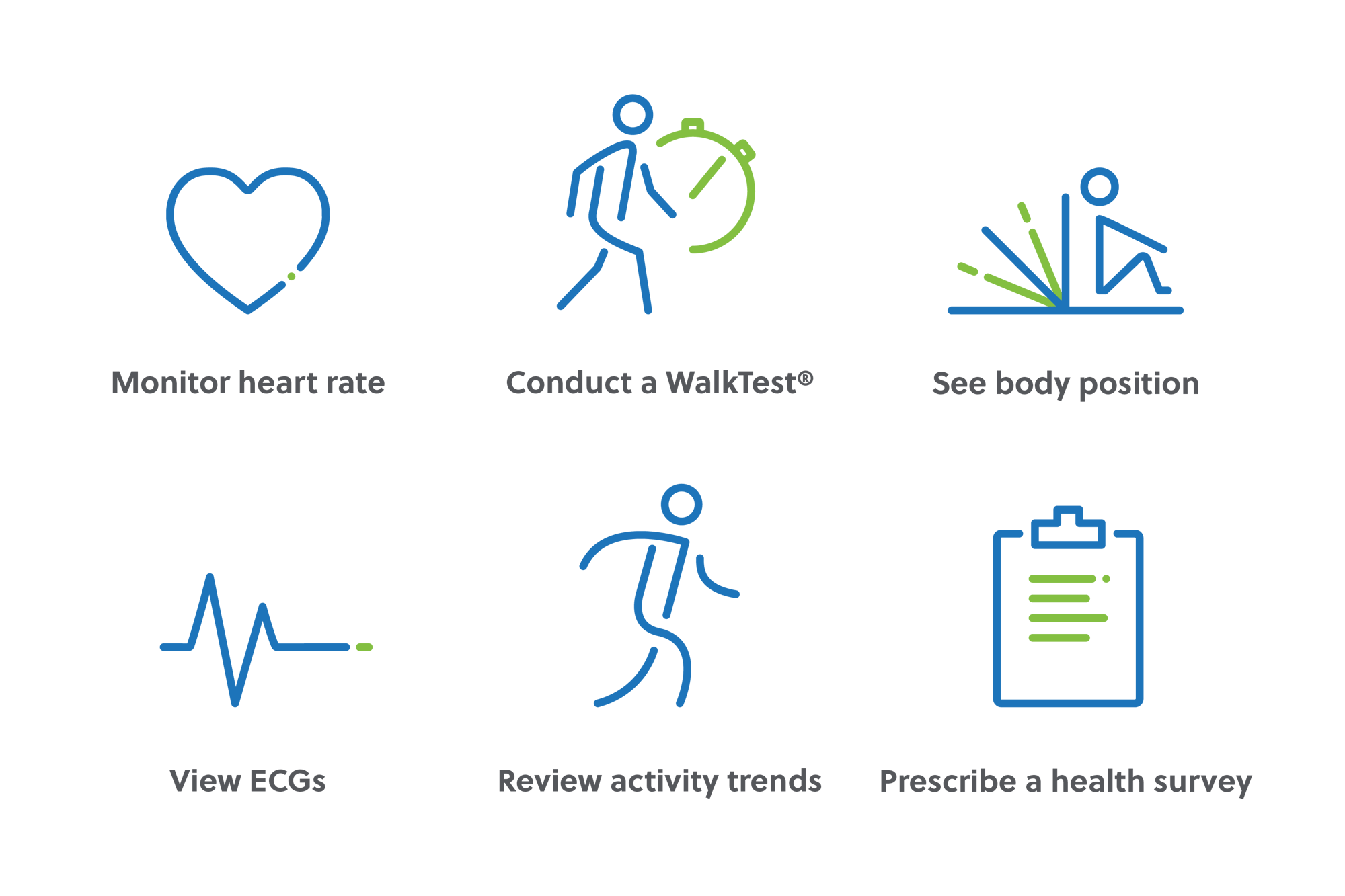
Through ZOLL Patient Management Network, LifeVest provides actionable insights about your patient during cardiac recovery to help you achieve a range of treatment goals, including:

LifeVest is designed to detect certain life-threatening rapid heart rhythms and, if needed, automatically deliver a treatment shock to restore normal heart rhythm. Timely defibrillation is the single most important factor to save a patient that is experiencing a rapid, life-threatening arrhythmia. A treatment shock must be delivered within a few minutes after an event to be effective; with each passing minute, a patient’s chances of survival drops 10 percent. LifeVest does not require bystander intervention. In a typical situation, the entire event, from detecting a life-threatening rapid heartbeat to automatically delivering a shock, occurs in about one minute.
LifeVest is prescribed by a doctor as part of the continuum of care for patients at risk for SCD. LifeVest is used for a wide range of patient conditions or situations, including following a heart attack, or before or after bypass surgery or stent placement, as well as for those with cardiomyopathy or congestive heart failure that places them at particular risk for SCD.
ZOLL has supported more than 1M LifeVest patients globally over 20+ years. Our extensive support network is here to help your patients with every step of their LifeVest journey:
It is very important to us to ensure that you and your patients have a positive experience with LifeVest®. We support patients and their families from the time of prescription until the time when protection from sudden cardiac death is no longer needed and the LifeVest® can be dispensed.
Telephone hotline around the clock, 365 days a year. All important questions are answered directly and personally.
Comprehensive training for patients and relatives and adjustment of the LifeVest® by certified specialist staff on site. The training is designed to provide all the necessary information to enable the patient to wear the device and interact with it optimally. This training is repeated as required. Patients and relatives can find further information such as training videos and answers to frequently asked questions on our website (www.lifevest.zoll.com).
If necessary, the components of the LifeVest® can be replaced within one working day. Our customer service is in direct contact with the patient for this purpose.
The defibrillator vest has been listed in the GKV-Spitzenverband’s list of medical aids since 2015 and is therefore regularly reimbursed by the payers. In July 2019, the list of medical aids was updated to include all primary prophylaxis with a severely impaired pumping function (LVEF ≤35%).
If the LifeVest® is no longer required during the course of the patient’s treatment, we coordinate the return of the device with the patient and their relatives. At the end of its service life, the wearable cardioverter defibrillator undergoes a comprehensive and certified reprocessing process. This process is subject to the current quality standards and the requirements of the Medical Devices Act.
ZOLL is ready to assist you in meeting your care goals. The team that has protected globally 1M+ LifeVest patients over 20+ years now provides a suite of solutions. Connect with an expert for personalised support.
CONTACT US