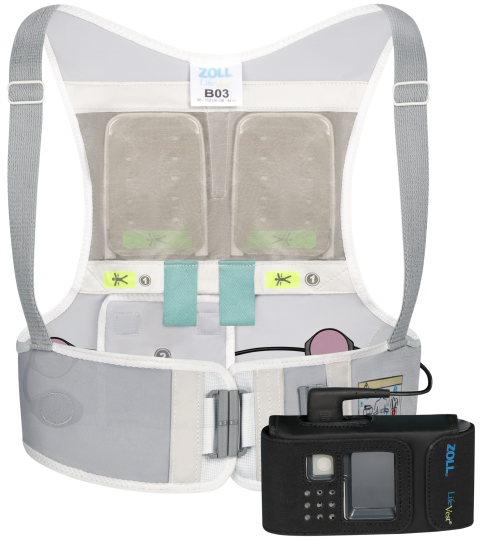
With 20+ years of advancements and insights from 1M+ patients, the modern LifeVest® is the most proven, patient-preferred LifeVest ever.1
The modern LifeVest:

Proven outcomes:

AI-enhanced algorithm:

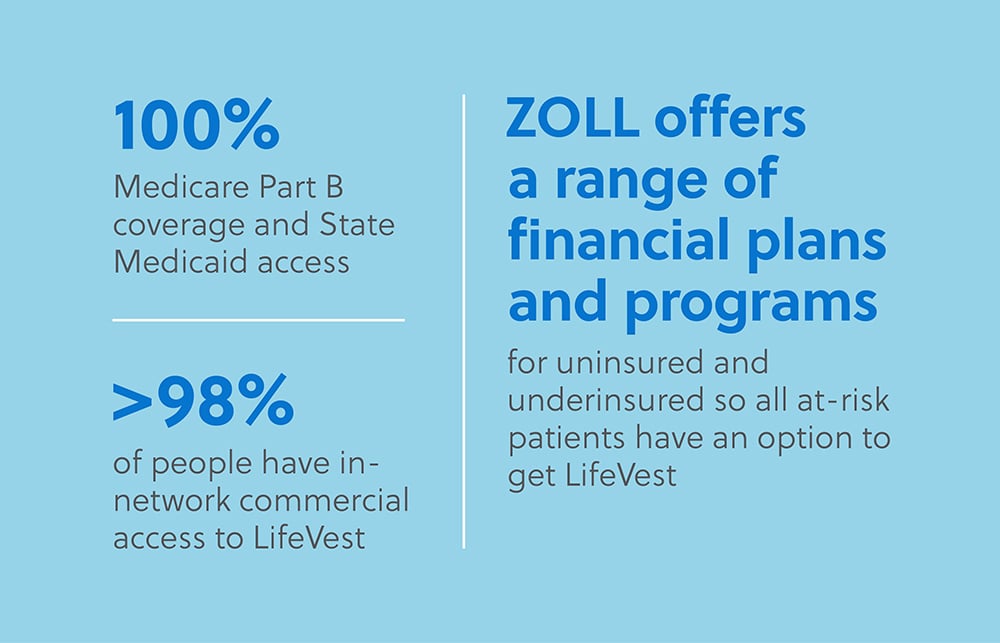
Most comprehensive WCD coverage:
ECG classifier:
Patient app:
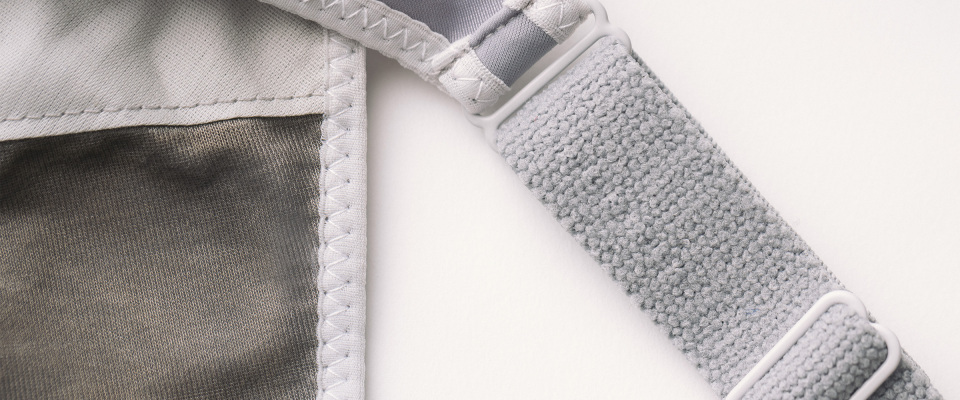
With continuous innovation for patient comfort, the next generation LifeVest WCD garment marks the third advancement of the LifeVest system over the last five years. Patients rate the newest LifeVest® garment as more comfortable and easier to use.1
20+ years of LifeVest design enhancements have led to a median real-world Wear Time® of 23.4+ hours/day.2-4
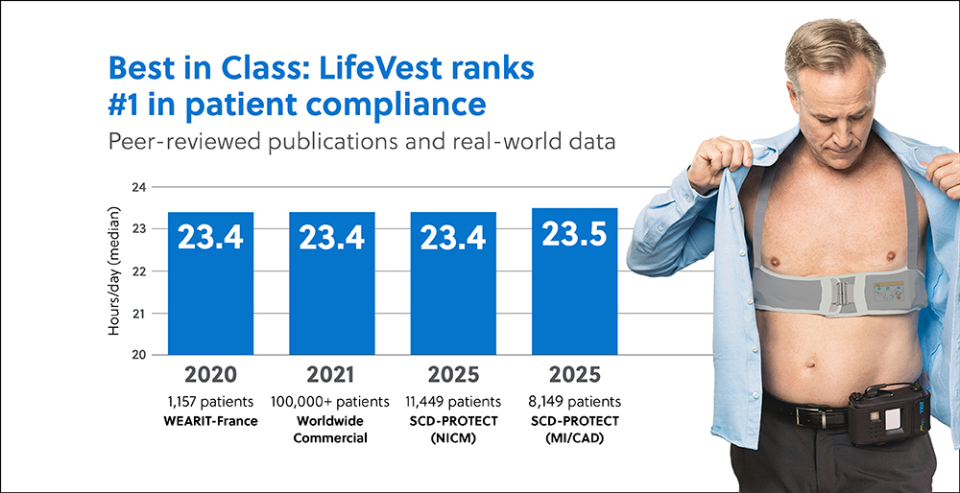
LifeVest® ranks #1 in patient compliance this decade at 23.4+ hours/day (median) based on peer-reviewed publications and real-world data.2-4
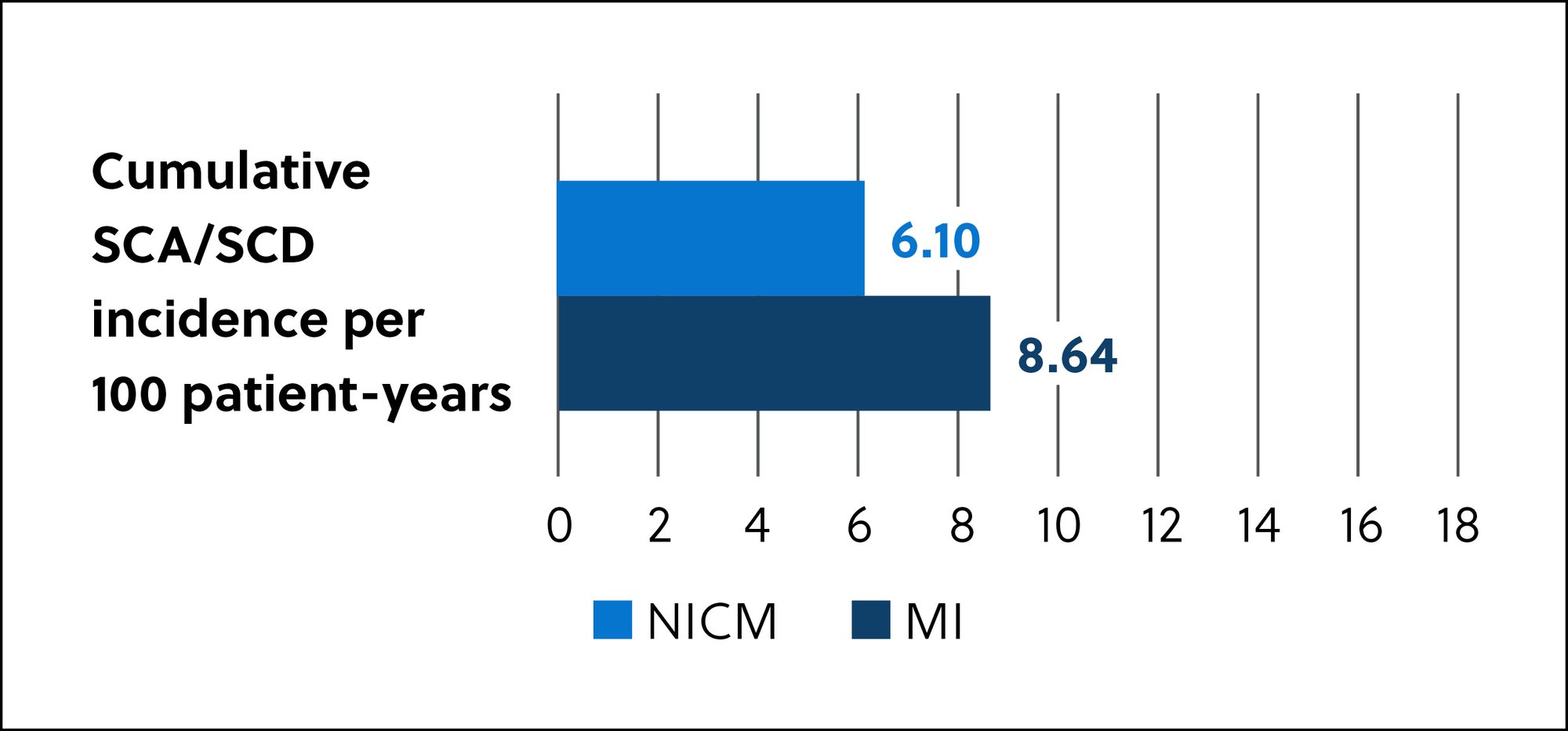
When early SCD risk is high, the modern LifeVest WCD delivers incomparable safety, as shown across nearly 20,000 patients in SCD-PROTECT (2025).2

“It’s comfortable. It was extremely easy. People don’t even know you’re wearing it.”
-Tanya, LifeVest patient
SCD-PROTECT, which featured a modern version of the LifeVest WCD, confirms the urgent need for SCD protection in both NICM and MI/CAD populations. Early SCD risk remained high, even with widespread use of GDMT.2 A recent study of >20,000 patients presented at AHA 2025 confirm these findings.5
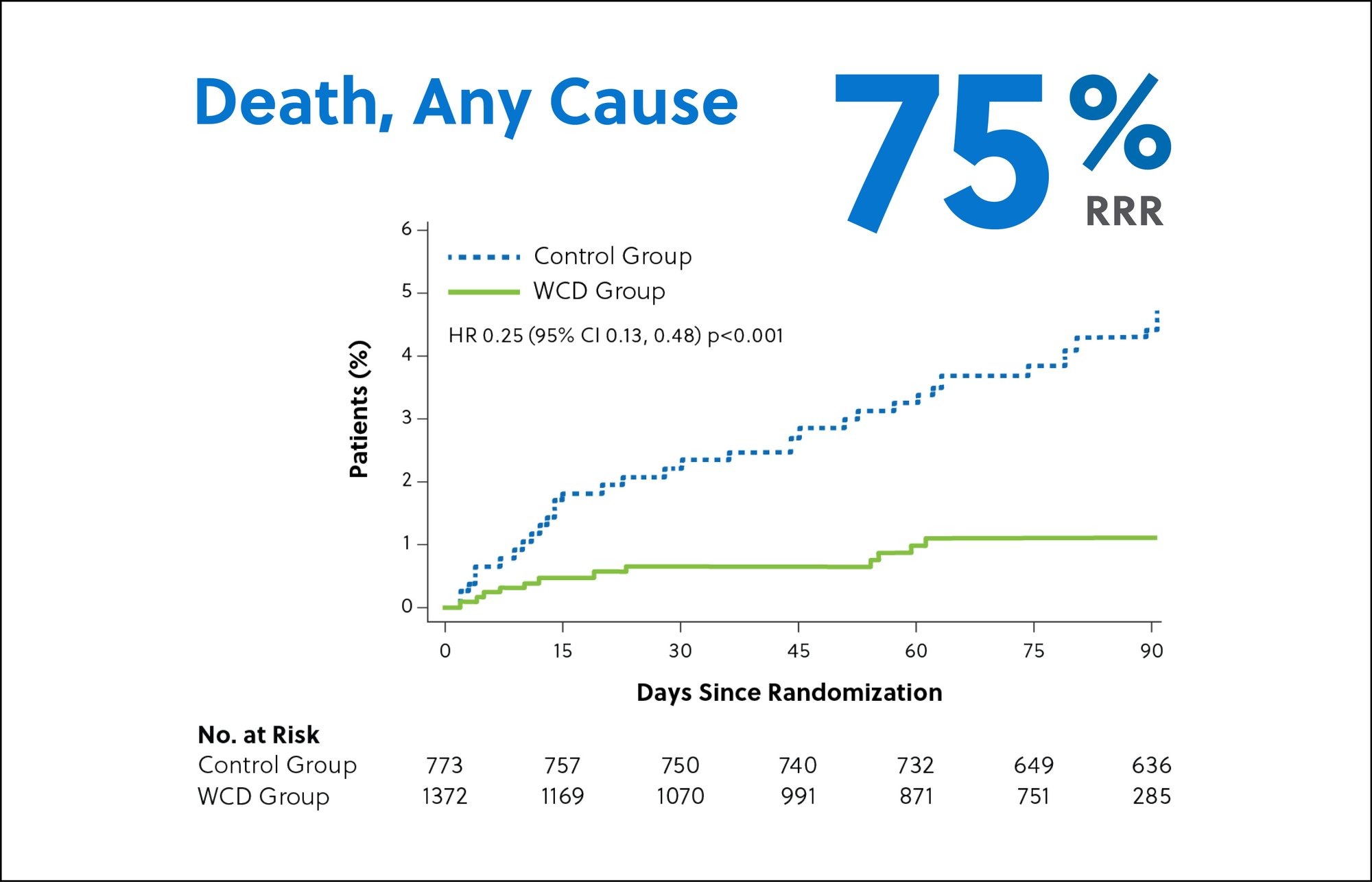
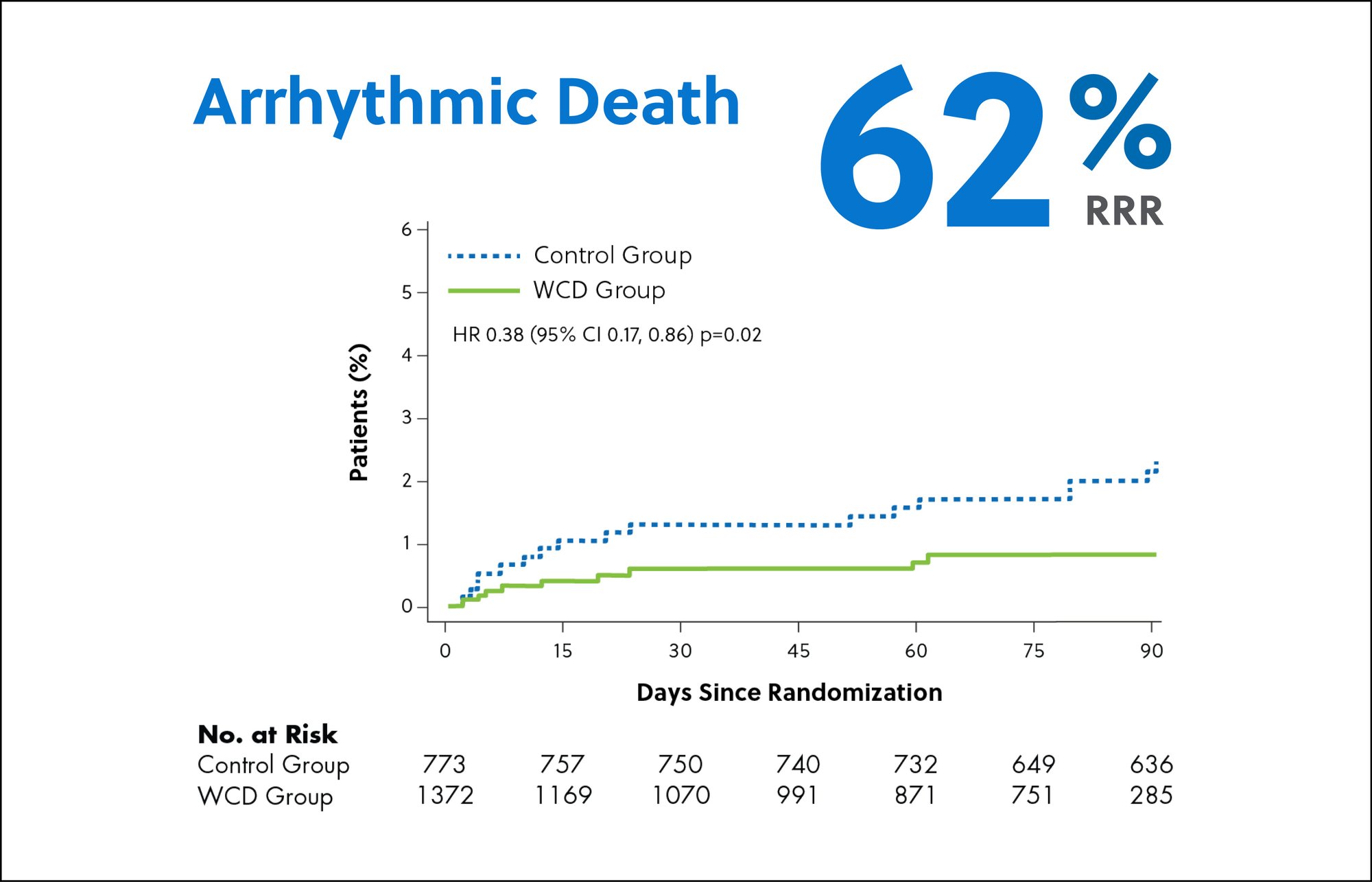
When early SCD risk is high, trust the proven efficacy of LifeVest
The VEST Trial per-protocol analysis results demonstrated that patients that wore LifeVest realized significant mortality reductions in the first 90 days.12
ZOLL® uses AI-based AArD technology to filter out non-physiological electrocardiogram (ECG) signals, reducing an already low rate of false alarms.

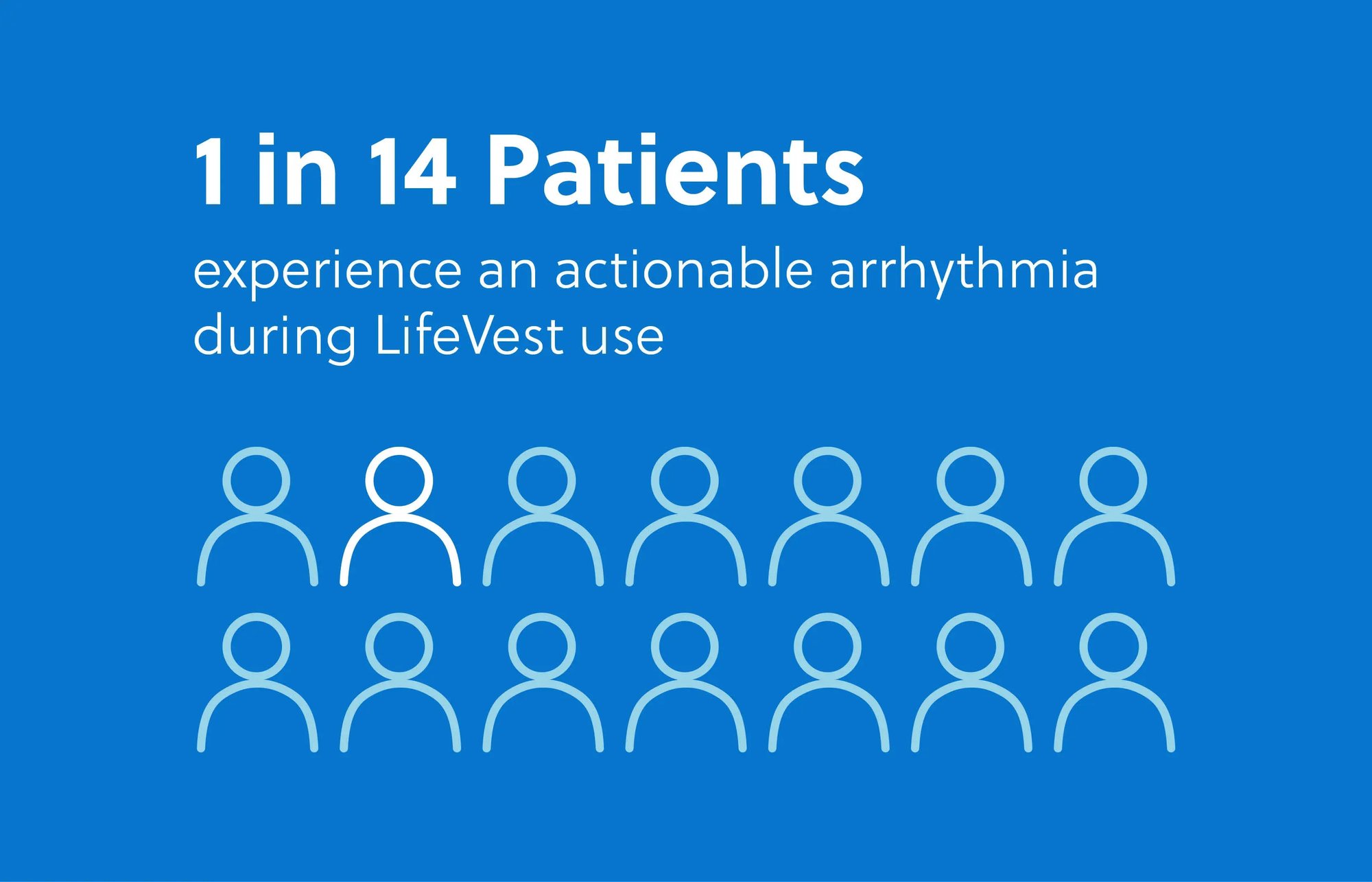
1 in 14 patients experience an actionable arrhythmia during LifeVest use.6 Developed with machine learning, LifeVest ECG Classifier filters out noise and identifies arrhythmias that may require intervention — from ablation to ICD implant.
See how ECGs captured by LifeVest enabled physicians to modify their patient’s treatment path.
The LifeVest Patient App helps patients get the most out of their LifeVest experience.
1. Data on file, 20c1184_a01. Garment Comparative Wear Test.
2. David Duncker, Eloi Marijon, Marco Metra, Olivier Piot, Marat Fudim, Uwe Siebert, Norbert Frey, Lars Siegfried Maier, Johann Bauersachs, Sudden cardiac death in newly diagnosed non-ischaemic or ischaemic cardiomyopathy assessed with a wearable cardioverter-defibrillator: the German nationwide SCD-PROTECT study, European Heart Journal, 2025;, ehaf668, https://doi.org/10.1093/eurheartj/ehaf668
3. Data on file, 90d0258_a01. 2021 Commercial Compliance Analysis.
4. Garcia R, Combes N, Defaye P, et al. Wearable cardioverter-defibrillator in patients with a transient risk of sudden cardiac death: the WEARIT-France cohort study. EP Europace. 2020;23(1):73-81. doi:10.1093/europace/euaa268
5. MedAxiom. (2025, November 10). Largest real-world study of wearable defibrillators confirms strong effectiveness and safety performance of Kestra’s ASSURE Device. MedAxiom. https://www.medaxiom.com/news/2025/11/10/news/Largest-Real-World-Study-of-Wearable-Defibrillators-Confirms-Strong-Effectiveness-and-Safety-Performance-of-Kestra-s-ASSURE-Device/
6. Kutyifa V, Moss AJ, Klein H, et al. Use of the wearable cardioverter defibrillator in high-risk cardiac patients: Data from the prospective registry of patients using the wearable cardioverter defibrillator (WEARIT-II Registry). Circulation. 2015;132(17):1613–1619.
7. Data on file, 90d0241_a01. Report of AArD Performance during 2019.
8. Data on file, 90a0061_a01_revb. Clinical Evaluation Report for LifeVest Wearable Defibrillator, Model 4000, 2021.
9. Chung MK, Szymkiewicz SJ, Shao M, Zishiri E, Niebauer MJ, Lindsay BD, & Tchou PJ (2010). Aggregate national experience with the wearable cardioverter-defibrillator: Event rates, compliance, and survival. Journal of the American College of Cardiology, 56(3), 194–203.
10. Kutyifa V, Moss A, Klein H, et al. One-year follow-up of the prospective registry of patients using the wearable defibrillator (WEARIT-II Registry). Pacing Clin Electrophysiol. 2018;1–7. https://doi.org/10.1111/pace.13448
11. Olgin, J. E., Pletcher, M. J., Vittinghoff, E., et al. Wearable Cardioverter–Defibrillator after Myocardial Infarction. New England Journal of Medicine. 2018; 379(13): 1205–1215. doi:10.1056/NEJMoa1800781
12. Olgin JE, Lee BK, Vittinghoff E, et al. Impact of wearable cardioverter-defibrillator compliance on outcomes in the VEST trial: As-treated and per-protocol analyses. J Cardiovasc Electrophysiol 2020;1–10. https://doi.org/10.1111/jce.14404
13. Arkles J, Delaughter C, D’Souza B. A novel artificial intelligence based algorithm to reduce wearable cardioverter-defibrillator alarms. J Interv Cardiac Electrophysiol. 2023. https://doi.org/10.1007/s10840-023-01497-w
14. Based on commercial data as of March 2025
15. Pre-clinical test data on file at ZOLL as of July 2020.
ZOLL is ready to assist you in meeting your care goals. The team that has protected 1M+ LifeVest patients over 20+ years now provides a suite of solutions. Connect with an expert for personalized support.
GET IN TOUCH